
How to Make Your Home Safer, More Efficient, and Comfortable
Making a home safer, more efficient, and comfortable involves more than updating its interior or keeping up with routine cleaning. A well-maintained property depends on many interconnected elements, from the structure and exterior to water systems, landscaping, pest prevention, and outdoor spaces. When these areas are properly maintained and improved, they can contribute to better everyday comfort, fewer unexpected problems, and stronger long-term property value.
Homeowners often prioritise visible projects such as kitchen renovations, bathroom updates, or new décor while overlooking exterior maintenance and essential infrastructure. However, issues involving weather exposure, ageing materials, unwanted pests, drainage, vegetation, or structural wear can gradually affect a property’s performance and safety. Addressing these concerns early can help prevent minor problems from becoming expensive repairs.
A proactive approach to home maintenance starts with understanding which areas need attention and prioritising improvements based on their impact, condition, and cost. Regular inspections, timely repairs, preventative measures, and practical upgrades can improve how a home performs throughout the year while helping homeowners avoid unnecessary expenses.
This guide explores practical ways to make your home safer, more efficient, and comfortable. From protecting the property’s exterior and managing landscaping to improving water quality, preventing pests, and enhancing outdoor areas, these strategies can help homeowners maintain a healthier, more functional property and protect their investment for years to come.
Maintain Healthy Landscaping to Protect Property and Curb Appeal
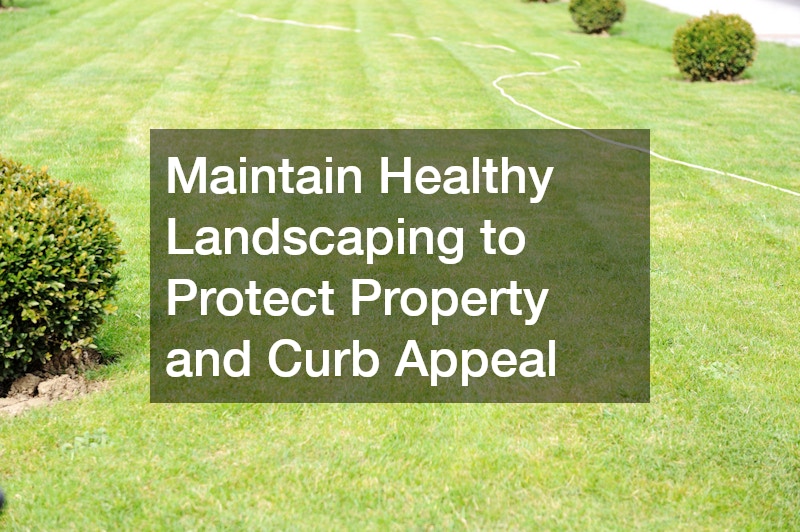
Well-maintained landscaping enhances curb appeal, improves property value, and contributes to a healthier outdoor environment. However, unmanaged vegetation can quickly become a threat to structures, drainage systems, and walkways. Trees, shrubs, and invasive weeds can cause damage if they are not regularly monitored and maintained.
One of the most common landscaping challenges homeowners face is uncontrolled weed growth. Weeds compete with healthy grass and plants for nutrients, water, and sunlight. Over time, invasive species can dominate garden beds, weaken lawns, and create an unkempt appearance across the property.
Working with a weed control company can help homeowners implement targeted treatment plans that protect landscaping without damaging desirable plants. Professional treatments often include both pre-emergent and post-emergent solutions that address weeds before they spread aggressively.
Effective lawn and garden management typically involves:
-
Seasonal weed monitoring and treatment
-
Soil testing to determine nutrient deficiencies
-
Aeration and overseeding for lawn health
-
Mulch installation to suppress weed growth
-
Edging to contain plant beds
These practices create stronger, healthier landscapes that require less intervention over time.
Trees are another major factor in property maintenance. Mature trees provide shade, reduce cooling costs, and enhance natural beauty. However, poorly maintained trees can create serious hazards during storms or high winds.
Scheduling regular maintenance with a tree trimming service helps prevent damage to roofing, siding, power lines, and nearby structures. Professional trimming not only improves appearance but also supports the long-term health of the tree.
Benefits of routine tree maintenance include:
-
Removing dead or diseased branches
-
Improving structural balance of the canopy
-
Reducing risk of falling limbs during storms
-
Allowing better sunlight penetration for lawns and gardens
-
Preventing branches from contacting roofs or gutters
Proper landscaping maintenance protects both the property and the surrounding environment. By controlling weeds and maintaining tree health, homeowners reduce potential hazards while improving overall curb appeal.
Improve Household Water Quality and Plumbing Efficiency
Water systems are essential to daily living, yet many homeowners overlook their importance until a serious issue occurs. Hard water, mineral buildup, and aging plumbing components can slowly degrade system performance, leading to higher utility bills and costly repairs.
One effective solution for improving water quality is installing a water softener system. Hard water contains high levels of minerals such as calcium and magnesium. While these minerals are not harmful to drink, they can cause significant problems throughout the home.
Common signs of hard water include:
-
White mineral deposits on faucets and showerheads
-
Reduced soap lather during washing
-
Streaks or spots on dishes and glassware
-
Dry skin or dull hair after bathing
-
Reduced efficiency of water heaters and appliances
A water softener system removes these minerals through a filtration and ion exchange process. The result is cleaner water that improves appliance performance and reduces scale buildup in pipes.
Benefits of softened water include:
-
Longer lifespan for water heaters and washing machines
-
Improved efficiency for dishwashers and laundry machines
-
Reduced soap and detergent usage
-
Cleaner dishes and glassware
-
Less mineral buildup in plumbing systems
Even with improved water quality, plumbing systems still require routine maintenance to prevent leaks, clogs, and pressure issues.
Scheduling professional plumbing repair at the first sign of trouble helps prevent extensive damage. Small issues like slow leaks or clogged drains can escalate into major problems if ignored.
Warning signs that may indicate the need for plumbing repair include:
-
Persistent dripping faucets
-
Unusual pipe noises such as banging or rattling
-
Slow-draining sinks or tubs
-
Water pressure fluctuations
-
Damp areas under sinks or near appliances
Preventative plumbing inspections can identify worn pipes, deteriorating seals, or potential blockages before they lead to water damage.
By improving water quality and addressing plumbing concerns early, homeowners can protect their infrastructure and ensure reliable water service throughout the home.
Protect Structural Components From Weather Damage
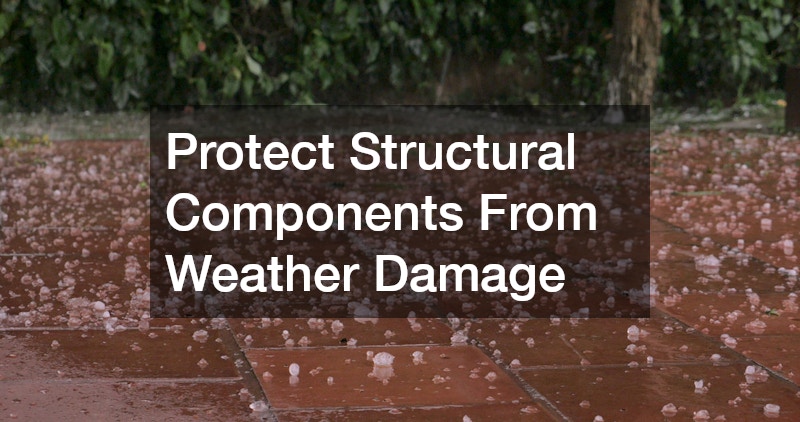
The exterior of a home provides the first line of defense against weather, moisture, and temperature fluctuations. Roofing systems and siding materials shield the interior structure from rain, wind, snow, and sunlight. When these protective layers deteriorate, the underlying structure becomes vulnerable to damage.
Regular inspections help homeowners identify potential problems before they escalate. Warning signs such as missing shingles, warped panels, or moisture stains should never be ignored.
Professional roofing companies can conduct comprehensive inspections that evaluate both visible and hidden damage. Experienced contractors assess roofing materials, flashing, ventilation systems, and drainage components to ensure everything functions properly.
Common roof issues that require attention include:
-
Curling or cracked shingles
-
Damaged flashing around chimneys or vents
-
Granule loss on asphalt shingles
-
Water stains in attic spaces
-
Moss or algae growth
Early repairs extend roof lifespan and prevent water from infiltrating the home.
Siding also plays a critical role in protecting the structure. A qualified siding contractor can repair or replace exterior materials that have been damaged by weather, pests, or aging.
Modern siding materials provide both durability and energy efficiency. In addition to protecting the home from moisture, properly installed siding improves insulation performance.
Benefits of updated siding include:
-
Reduced heat loss during winter months
-
Lower cooling costs during summer
-
Improved moisture resistance
-
Enhanced curb appeal
-
Protection from pests and weather damage
Routine inspections of exterior materials should include:
-
Checking for loose or cracked panels
-
Inspecting seams and joints for gaps
-
Monitoring paint or finish condition
-
Ensuring proper sealing around windows and doors
Maintaining roofing and siding systems helps protect the home’s structural framework while improving overall energy efficiency.
Upgrade Outdoor Living Spaces for Safety and Enjoyment
Outdoor spaces have become increasingly important for homeowners seeking relaxation, entertainment, and family activities. Pools, patios, and outdoor kitchens expand living areas and enhance property value. However, these features require maintenance and occasional upgrades to remain safe and functional.
Older pools may develop structural cracks, outdated filtration systems, or inefficient lighting. Over time, these issues can impact safety and increase maintenance costs.
Working with a pool remodeling company allows homeowners to modernize their outdoor spaces while improving energy efficiency and usability. Remodeling projects may include resurfacing pool interiors, upgrading pumps and filtration systems, or installing new lighting and automation features.
Popular pool upgrades include:
-
Energy-efficient pumps and heaters
-
LED lighting systems
-
Updated tile and coping materials
-
Improved filtration systems
-
Integrated water features
These improvements enhance both aesthetics and functionality.
Another valuable upgrade for pool owners is installing screened pool enclosures and cage structures. These protective systems provide a barrier between the pool area and the surrounding environment.
Advantages of screened enclosures include:
-
Preventing leaves and debris from entering the pool
-
Reducing insect activity in outdoor spaces
-
Providing additional safety for children and pets
-
Lowering maintenance requirements
-
Extending the usability of outdoor spaces
Proper maintenance ensures these structures remain durable. Homeowners should periodically inspect screens for tears, check framing connections, and clean accumulated debris.
By upgrading outdoor living areas thoughtfully, homeowners can create comfortable environments that encourage relaxation while minimizing maintenance challenges.
Prevent Pest Intrusions Before They Cause Damage
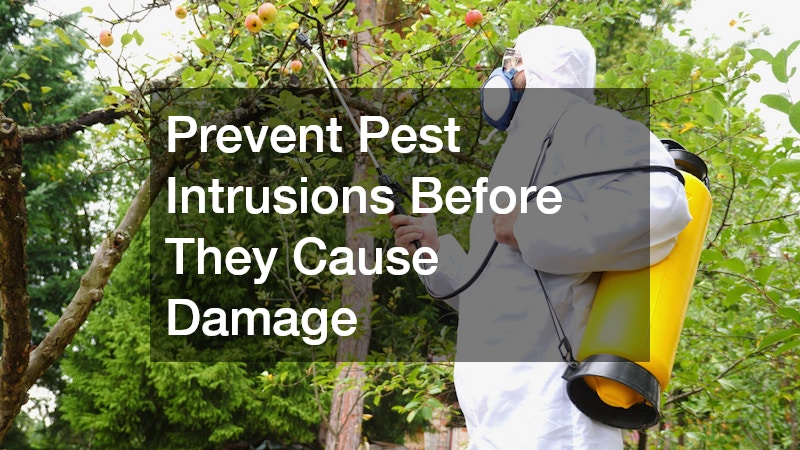
Pests are more than just an inconvenience. Rodents and insects can cause extensive structural damage, contaminate food sources, and introduce health risks into the home.
Rodents are particularly problematic because they can squeeze through extremely small openings in foundations, siding, or roofing materials. Once inside, they often chew through insulation, wiring, and wood framing.
Professional rodent removal services help eliminate infestations safely while preventing future entry. Specialists use a combination of trapping, exclusion techniques, and sanitation strategies to address the root cause of the problem.
Common entry points for rodents include:
-
Gaps around utility pipes
-
Roof vents and attic openings
-
Cracks in foundation walls
-
Unsealed garage doors
-
Damaged siding panels
Homeowners can reduce pest risks by sealing entry points and maintaining clean outdoor environments.
Landscaping also influences pest activity. Overgrown vegetation and unmanaged ground cover create ideal hiding places for rodents and insects.
Working with a weed control company helps eliminate dense vegetation that attracts pests. Maintaining trimmed lawns and organized landscaping discourages nesting and reduces access to food sources.
Additional pest prevention strategies include:
-
Storing firewood away from the home
-
Keeping trash containers sealed
-
Removing standing water around the property
-
Cleaning outdoor cooking areas regularly
-
Inspecting attics and crawl spaces periodically
Proactive pest management protects both the structure and the health of those living inside the home.
Develop a Preventative Maintenance Schedule
One of the most effective ways to protect a property is to establish a consistent maintenance schedule. Rather than reacting to emergencies, homeowners who follow routine inspection plans can identify potential issues early.
Seasonal maintenance distributes responsibilities throughout the year and prevents overwhelming repair costs.
Spring maintenance may include:
-
Inspecting exterior plumbing fixtures
-
Evaluating landscaping health
-
Cleaning gutters and drainage systems
-
Checking roofing materials for winter damage
Summer maintenance often focuses on landscaping and outdoor structures.
Common tasks include:
-
Scheduling tree trimming service appointments
-
Evaluating irrigation system performance
-
Monitoring lawn health
-
Inspecting fences and decks
Fall maintenance prepares the home for colder weather.
Important fall tasks include:
-
Sealing exterior cracks or gaps
-
Cleaning gutters before winter storms
-
Inspecting insulation and attic ventilation
-
Scheduling preventative plumbing repair inspections
Winter maintenance focuses on monitoring indoor systems and preventing cold-weather damage.
Typical winter tasks include:
-
Checking for pipe freezing risks
-
Inspecting rooflines for ice dams
-
Monitoring heating system performance
-
Inspecting basement areas for moisture
Creating a simple maintenance calendar ensures that essential services are not overlooked.
Preventative care reduces emergency repairs, protects property value, and extends the lifespan of major systems throughout the home.
Budget Strategically for Property Maintenance and Improvements
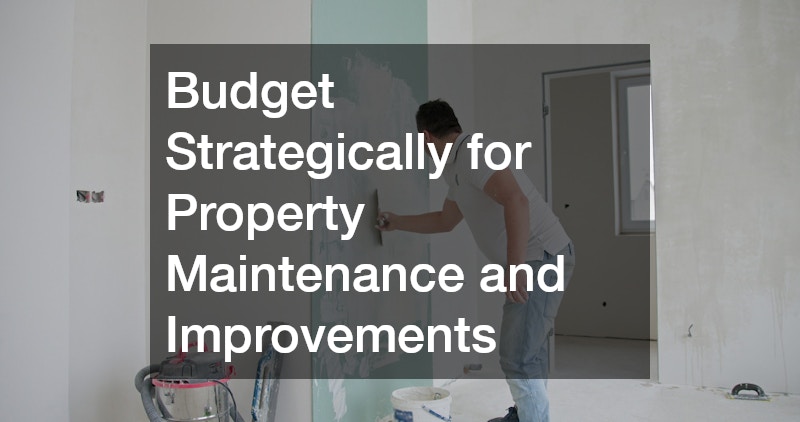
Proper budgeting plays a critical role in maintaining a home. Many homeowners underestimate the cost of long-term upkeep, which can lead to financial strain when unexpected repairs arise.
Financial experts commonly recommend setting aside 1–3 percent of the home’s value annually for maintenance and repairs. These funds help cover both routine upkeep and larger improvement projects.
Tracking expenses and service records helps homeowners plan future upgrades more effectively.
Examples of planned investments may include:
-
Installing a water softener system to protect plumbing and appliances
-
Replacing aging siding through a qualified siding contractor
-
Updating landscaping and drainage systems
-
Repairing or replacing aging roofing materials
Prioritizing projects based on risk and value is essential.
Homeowners should generally address improvements in this order:
-
Safety hazards
-
Structural protection
-
Water management systems
-
Energy efficiency improvements
-
Cosmetic upgrades
By approaching maintenance as a long-term investment rather than a short-term expense, homeowners can protect property value while avoiding costly emergencies.
Strategic budgeting also allows families to plan upgrades that enhance comfort and efficiency over time.
Conclusion
Making a home safer, more efficient, and comfortable is an ongoing process rather than a one-time project. The most effective approach combines regular maintenance with thoughtful improvements that address the property’s condition, the household’s needs, and potential problems before they become costly. Paying attention to both the interior and exterior can help create a home that performs reliably while remaining comfortable and welcoming.
Proactive care also plays an important role in protecting a property’s long-term value. Regular inspections, timely repairs, preventative measures, and practical upgrades can reduce the risk of unexpected problems while extending the useful life of essential systems and materials. Even small improvements can have a meaningful impact when they are planned around specific needs and priorities.
Ultimately, a safer and more efficient home is one that is prepared for everyday demands as well as future changes. By staying ahead of maintenance, investing wisely in improvements, and addressing concerns promptly, homeowners can enjoy greater peace of mind, improved comfort, and a property that continues to serve them well for years to come.