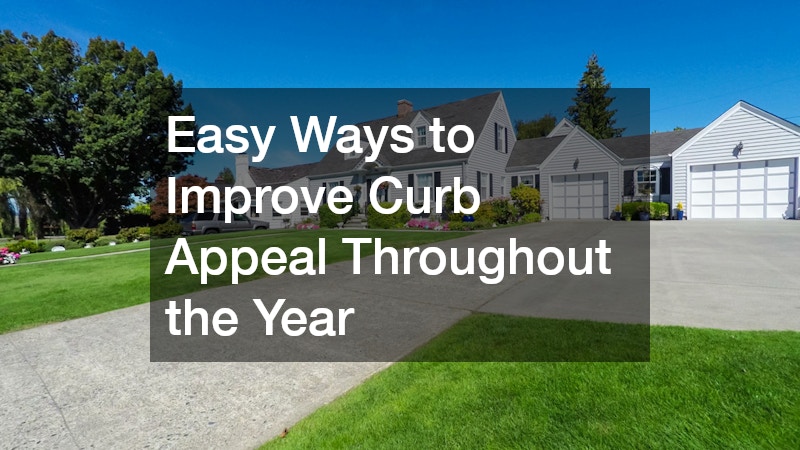
Easy Ways to Improve Curb Appeal Throughout the Year
A home’s exterior is the first impression it makes, and that impression begins long before anyone steps through the front door. Curb appeal is more than just visual attractiveness—it reflects how well a property is maintained, how thoughtfully it is cared for, and how functional its outdoor environment is throughout the seasons. Whether a home is newly built or has been standing for decades, consistent attention to exterior upkeep plays a major role in how it is perceived and how well it holds its value over time.
Many homeowners focus primarily on interior improvements, but the exterior often sets expectations for everything inside. A well-maintained yard, clean walkways, healthy plant life, and structurally sound outdoor features all contribute to a sense of order and pride. On the other hand, overgrown vegetation, faded surfaces, and neglected structures can quickly diminish appeal, even if the interior is beautifully maintained.
Improving curb appeal does not always require major renovations. In fact, many of the most impactful changes come from routine maintenance and thoughtful upgrades spread throughout the year. Seasonal adjustments, small repairs, and strategic enhancements can dramatically change how a property looks and feels. These improvements also help protect the home from environmental wear such as wind, rain, sun exposure, and seasonal temperature changes.
Another important aspect of curb appeal is balance. A property should feel cohesive, where all exterior elements work together rather than compete for attention. This includes landscaping, structural features, lighting, and surface materials. When these elements are properly maintained and updated when needed, the result is a welcoming and visually appealing home exterior.
Homeowners also benefit from improved functionality when curb appeal is prioritized. Well-designed outdoor spaces are easier to maintain, safer to navigate, and more enjoyable to use. Clear boundaries, stable structures, and healthy vegetation all contribute to a more organized and efficient property layout.
The following sections explore practical ways homeowners can enhance curb appeal throughout the year by focusing on essential exterior elements. Each area plays a role in shaping the overall look, safety, and long-term value of the home.
Enhancing Property Boundaries for a Cleaner Look
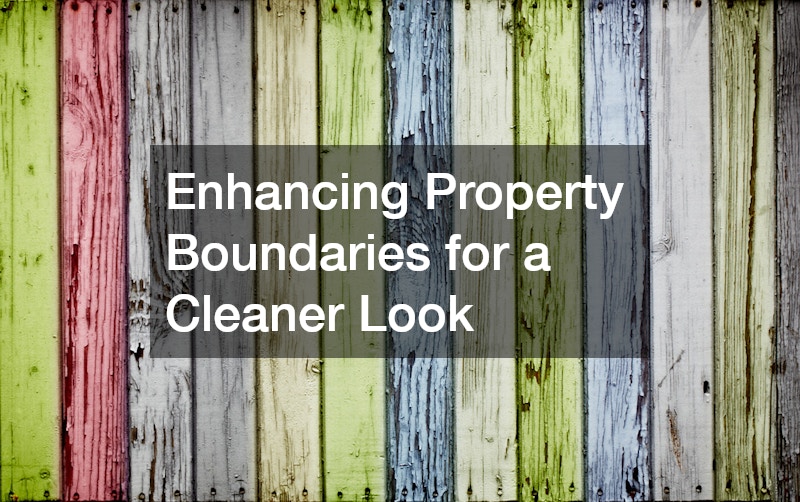
Clear and well-maintained property boundaries help define outdoor space and create a sense of structure and order. Fences, gates, and perimeter features contribute not only to privacy and security but also to the overall visual impression of a home. When these elements are in good condition, they frame the property and make the entire exterior feel more polished.
Choosing appropriate fencing material is an important part of maintaining curb appeal. Durable materials that withstand weather conditions and require minimal upkeep can significantly improve long-term appearance. Regular inspections for damage, leaning sections, or weathering can help ensure that boundaries remain both functional and attractive.
Repainting, staining, or repairing damaged sections can quickly refresh the look of a property without requiring full replacement. Even small improvements to boundary structures can make a noticeable difference in overall curb appeal.
Landscaping also plays a critical role in enhancing the effectiveness of property boundaries. Strategic placement of plants, shrubs, or trees around fencing can provide additional aesthetic value and privacy. These natural elements soften hard lines and bring a touch of nature, creating harmony between the structured and organic components of the landscape.
Maintaining Healthy and Well-Shaped Outdoor Growth
Trees and large plants are often the most prominent natural features on a property, making their care essential for maintaining curb appeal. Overgrown or unhealthy vegetation can overwhelm a space, block visibility, and create an unkempt appearance.
Professional tree companies can help manage growth, remove damaged branches, and maintain structural health. Proper trimming ensures that trees grow in a balanced and controlled manner while reducing potential hazards. Well-maintained trees also allow more natural light to reach surrounding landscaping, improving the overall look of the yard.
Seasonal care is especially important, as weather changes can affect plant health and stability. Regular maintenance helps prevent issues such as disease, pest infestations, or storm-related damage. When trees are properly cared for, they become a focal point that enhances rather than detracts from curb appeal.
Planning Outdoor Spaces for Better Visual Balance
A well-designed outdoor layout creates harmony between different elements of the property. When plants, pathways, and structures are thoughtfully arranged, the entire space feels more inviting and organized.
A landscape designer can help homeowners create cohesive outdoor plans that take into account soil conditions, sunlight, drainage, and visual flow. Strategic placement of plants and features ensures that no single area overwhelms another, resulting in a balanced appearance.
Proper planning also makes maintenance easier. When outdoor elements are placed with intention, trimming, watering, and general upkeep become more manageable. This contributes to long-term curb appeal by ensuring the landscape remains consistent and well-kept throughout the year.
Improving Outdoor Structure and Surface Design
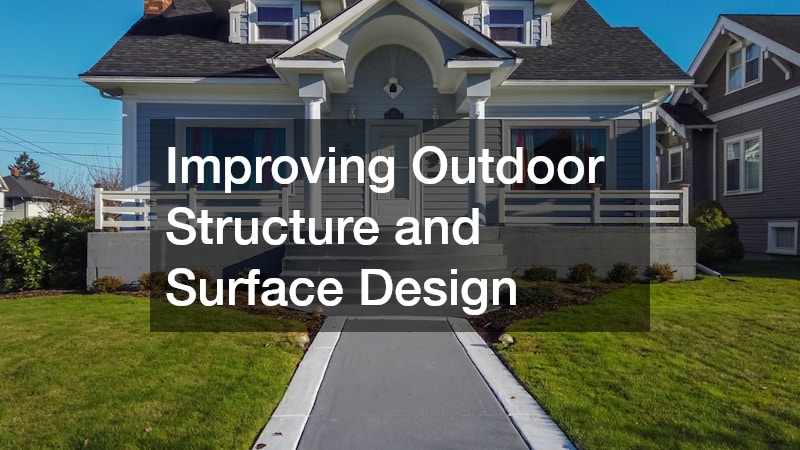
Hard surfaces such as walkways, patios, and driveways play a significant role in curb appeal. These features guide movement through the property and create structure within the landscape. When they are clean, level, and well-maintained, they contribute to a strong visual foundation.
In addition, choosing materials that complement the architectural style of the home can enhance the overall appearance. Whether opting for modern, sleek pavers or rustic cobblestones, the right selection can bring cohesion and elegance to the space. Integrating lighting features along these paths can further elevate the aesthetics, providing safety and ambiance during evening hours.
Hardscaping improvements can enhance both aesthetics and functionality. Materials such as stone, brick, or concrete can be used to create durable and visually appealing surfaces. Regular maintenance helps prevent cracking, shifting, or staining that can detract from the home’s appearance.
Considering environmental factors when selecting materials can also extend the life of hardscapes. For instance, choosing permeable surfaces can reduce water runoff and enhance eco-friendliness. Incorporating sustainable techniques ensures that the hardscaping remains both beautiful and responsible.
Well-designed outdoor structures also help define usable spaces, making the yard more practical and enjoyable. Whether used for gathering areas or pathways, these elements add depth and character to the property.
Incorporating elements like pergolas or arbors can introduce vertical interest and provide shade, enhancing comfort and usability. These structures can be adorned with climbing plants or lights, blending functionality with aesthetics and creating inviting outdoor refuges.
Refreshing Garden Beds for a Polished Appearance
Garden beds are one of the most visible components of a home’s exterior, and their condition has a direct impact on curb appeal. Fresh, well-maintained beds signal care and attention, while neglected ones can make even a well-kept home appear unfinished.
The color and selection of plants can also dramatically enhance a garden’s appeal. Choosing a mix of perennials and annuals ensures a range of colors and textures year-round, while native plants often require less maintenance and water, making them eco-friendly alternatives.
Adding mulch is one of the simplest ways to improve the appearance of garden beds. It helps retain moisture, suppress weeds, and create a clean, uniform look. Regular replenishment ensures that beds remain vibrant and visually appealing throughout the seasons.
Utilizing organic mulch options not only benefits aesthetics but supports ecological health as well. Mulch can improve soil quality and biodiversity, creating a healthy environment for plants to thrive and adding another layer of thoughtfulness to garden design.
Consistent weeding, pruning, and seasonal planting also contribute to a tidy and attractive landscape. When garden beds are well maintained, they frame the home and enhance its overall presentation.
Strategically placing garden bed edging can prevent encroaching grasses and maintain clean lines. These borders can be decorative, adding to the visual appeal, while keeping garden areas distinct and organized, reinforcing the structured beauty of the property.
Strengthening Sloped Areas for Function and Style
Sloped areas can present challenges for both aesthetics and functionality. Without proper support, they may lead to erosion, uneven surfaces, or drainage issues that affect surrounding areas.
Incorporating greenery on slopes provides natural stabilization and a softer visual transition, allowing for integration of natural elements in engineered solutions. Ground covers and shrubs can help preserve slope integrity while enhancing wildlife habitat.
A retaining wall helps stabilize these spaces while also adding a structured design element to the landscape. These walls can be built from a variety of materials to complement the style of the home while serving an important functional purpose.
The design and height of retaining walls can add to the architectural interest, often creating spaces for seating or decorative features. Integrating elements like built-in planters or water features can transform utilitarian structures into integral parts of the garden’s beauty.
In addition to preventing soil movement, retaining walls create opportunities for tiered planting and expanded usable space. This adds visual interest and helps integrate slopes into the overall design of the property.
These tiered spaces can double as unique garden areas or terraces for outdoor living, providing varied perspectives and maximizing the utility of the landscape. Layering different plant heights enhances the natural flow and softens architectural lines.
Upgrading Outdoor Living Areas With Tailored Features
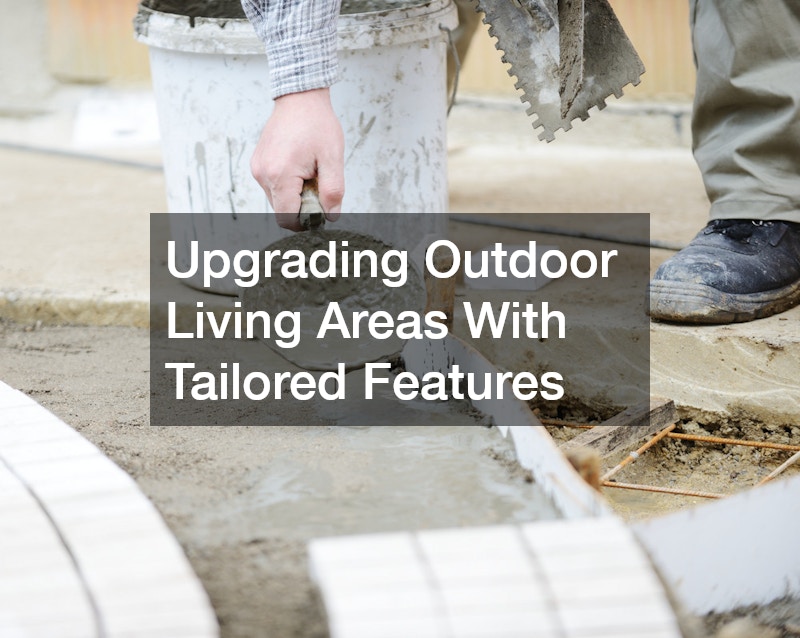
Outdoor living spaces have become an increasingly important part of residential design. Patios, seating areas, and entertainment spaces extend the usable square footage of a home and enhance curb appeal.
Custom hardscaping allows homeowners to create personalized outdoor environments that reflect their needs and preferences. Features such as built-in seating, fire pits, and decorative pathways can transform a simple yard into a functional living space.
These upgrades not only improve appearance but also increase usability. A well-designed outdoor area encourages more time spent outside and contributes to a stronger connection between indoor and outdoor living spaces.
Keeping Outdoor Water Features Clean and Functional
Water features can add a sense of luxury and tranquility to a property, but they require consistent care to maintain their appeal. Pools, fountains, and other installations must be kept clean and properly maintained to ensure they remain attractive and safe.
Swimming pool maintenance includes cleaning debris, balancing chemicals, and ensuring that filtration systems are working correctly. Regular upkeep helps prevent algae growth, cloudy water, and equipment issues.
A well-maintained water feature enhances curb appeal by serving as a focal point in the landscape. When neglected, however, it can quickly become an eyesore and detract from the overall appearance of the property.
Ensuring Safe and Reliable Outdoor Electrical Features
Outdoor lighting and electrical systems play an important role in both safety and aesthetics. Properly functioning exterior lighting enhances visibility, highlights landscape features, and improves nighttime curb appeal.
An electrician can ensure that outdoor wiring, fixtures, and connections are installed and maintained safely. Regular inspections help prevent hazards such as exposed wiring or faulty connections.
Well-placed lighting can also highlight architectural features and landscaping elements, adding depth and dimension to the property after dark. This improves both functionality and visual appeal.
Improving Exterior Surfaces for a Fresh Finish
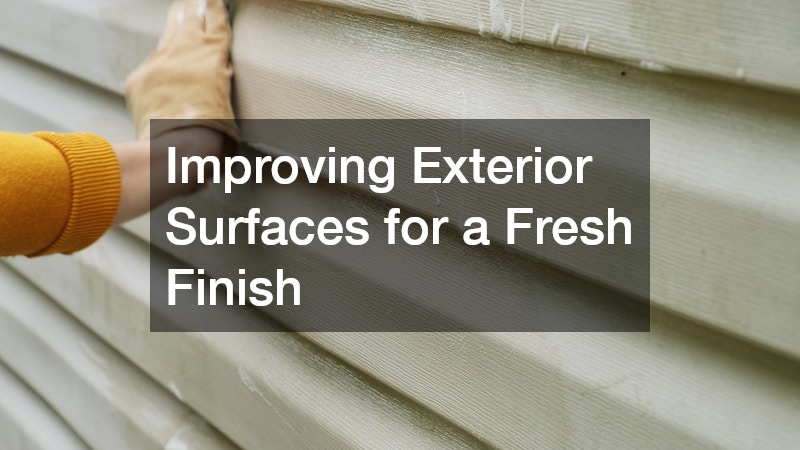
The exterior surfaces of a home are among the most noticeable elements of curb appeal. Siding, trim, and exterior finishes all contribute to the overall impression of the property.
House siding that is clean, intact, and well-maintained helps protect the structure while enhancing its appearance. Regular cleaning and timely repairs prevent issues such as fading, cracking, or moisture damage.
Updating or refreshing exterior surfaces can dramatically improve curb appeal. Even small improvements can make a home appear newer, cleaner, and more inviting.
Improving curb appeal is an ongoing process that involves attention to detail, regular maintenance, and thoughtful upgrades. It is not limited to a single project or season but rather a continuous effort that evolves with the needs of the property. When homeowners invest in maintaining their exterior spaces, the benefits extend far beyond appearance alone.
A well-maintained exterior contributes to a stronger sense of pride and ownership. It creates a welcoming environment for guests and establishes a positive first impression that reflects the care given to the home as a whole. Each element of the exterior, from boundaries and landscaping to structural features and surfaces, plays a role in shaping that impression.
Consistent upkeep also supports long-term property value. Small issues that are addressed early are less likely to develop into larger, more costly problems. Maintaining vegetation, repairing surfaces, and caring for outdoor systems help preserve both functionality and aesthetics over time.
Seasonal maintenance is especially important, as changing weather conditions can affect nearly every aspect of a home’s exterior. Preparing for these changes and responding proactively ensures that curb appeal remains steady throughout the year. This includes everything from trimming vegetation and refreshing garden beds to inspecting structural elements and maintaining outdoor systems.
Professional support can also enhance results. Many exterior tasks require specialized knowledge or equipment, and working with experienced professionals can ensure that improvements are completed safely and effectively. Combining professional services with regular homeowner maintenance creates a balanced and reliable approach to property care.
Ultimately, curb appeal is about more than appearance—it reflects the overall health and upkeep of a home. By staying consistent with maintenance and making thoughtful improvements, homeowners can create a property that is not only visually appealing but also functional, safe, and valuable for years to come.